
Local Lore: City’s jail history is one of tragedy, renewal


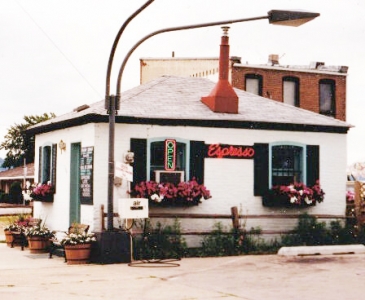
This week’s article is short and sweet. Evidence of Lake City’s first jail is apparent throughout several pre-1880 newspaper issues noting when criminals were committed there for miscellaneous crimes. It can also be found on old fire insurance maps starting in 1891, next to the “Town Hall” and fire department barn when it was located on W. Center St. The structure was wooden and, as such, was susceptible to the threat of fire…
In the early morning hours of January 25, 1900, “the alarm of fire was turned in and about half a dozen firemen heard it and turned out. It proved to be the lock-up which was a small construction standing near Chinberg’s wagon shop… In the evening the police found one James McTaggert the worse for having crooked his elbow too often, and so took him to the jug for a good night’s rest. H. Dressen, the nightwatch, went and built him a fire and left all of the doors unlocked, which has been the custom for a long time when any one is put in for the night. How the fire originated no one knows, but that the cooler burned and that McTaggert perished is a certainty… Many think he wanted to smoke in the night and through carelessness with pipe or matches the bedding was set on fire and in his condition he perished,” explains an article in The Graphic Sentinel. Another article by the St. Paul Globe added, “A new and better lockup will be provided, there having been a number of efforts made to secure the erection of a better and safer building, but the infrequent use of the building made the community somewhat apathetic.”
In any case, the Lake City Jail most are familiar with was built later that year by L.S. Lutz (also responsible for designing and building City Hall) at 110 E. Marion St., right next to the bustling downtown. This location was chosen presumably because it was convenient for jailing drunkards until they were able to sober up.
An article in The Graphic Sentinel describes the jail’s construction plans: “The entire expense of the building will be between $800 and $1000 which will be located on lower Marion Street. The dimensions of the building will be 17 x 20 x 10 ft., containing two cells 5 x 7 x 8 feet each containing two bunks. The entire building will be lined with boiler iron and having cement floors. Each cell will be provided with automatic locks with half inch iron bars over the windows. The jail is constructed of brick although not very large in size, it will meet state requirements. The contractors expect to have it completed by May 12, and after that date the city will be ready to entertain any of its unruly callers.”
$800-$1000 today is roughly $31,500-$39,000, and despite being small, the jail reportedly locked up 27 people at one time! I’m still on the hunt for more information about this story.
In May of 1911, the establishment underwent “extensive repairs and improvements,” including water and sewage connections and a new cement floor.
It served the city for 45 years before being condemned, though it later found use as a commercial building.
Lake City’s jail then moved into a 400 square ft. building adjacent to City Hall. Later, its two cells were converted into evidence lockers for the police department, according to retired Police Chief Gary Majchrzak. Eventually, the entire establishment was torn down in anticipation for the City Hall addition in 2003. There does not appear to have been an official jail here in town since, as Lake City began using the Wabasha County Jail possibly in the mid 1960s.
The downtown former jail building still stands, and many businesses have taken up residence there since 1945. These include a brass shop, a dress store, a bait shop, a veterinarian’s office, the “Little Brick Jail House” gift shop, the “Jitters” coffee shop, a candle factory, an ice cream parlor, and most recently, the Sherlock-Matheny Studio art gallery. The structure has maintained many of its original features overtime, including the limestone foundation, four-layer brick walls, and half-inch iron bars over the windows. However, it has lost its two cells and is no longer lined with boiler iron.
If you’re interested in reading more local lore like this or have a story to share, please contact me at sarah@lakecitygraphic.com with your thoughts and ideas.